

GPs Required to Offer Same-Day Care for Urgent Patients

GP practices in England will be obliged to provide same-day appointments for patients with urgent medical concerns under revised contract rules. Ministers say the measure is intended to ensure anyone needing prompt attention can be seen without delay. To support the change, funding for GP services is being increased by nearly £500 million, with the aim of boosting recruitment and easing pressure on surgeries.
Practices already reserve slots for urgent cases, but they will now be expected to formally monitor access and meet the target in the vast majority of cases. Urgent cases include situations where symptoms indicate treatment should begin immediately or where a patient’s condition could worsen quickly, such as a child with a high temperature and rash or an elderly person who becomes suddenly confused.
Health Secretary Wes Streeting described the move as part of efforts to improve access to primary care, adding that struggling practices would receive support rather than punishment. The reforms follow previous changes, including mandatory online booking systems for routine appointments and financial incentives linked to prescribing certain treatments.
However, the British Medical Association has warned the pledge could raise expectations beyond what overstretched services can realistically deliver. Although GP numbers have risen, workloads remain significantly higher than in previous years, and patient satisfaction surveys suggest many people feel access has not improved.
UK Welcomes First Baby Born After Deceased Donor Womb Transplant
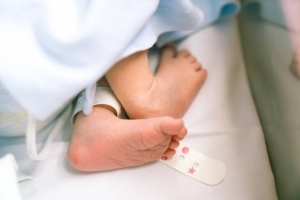
A baby boy has made history as the first child in the UK to be born following a womb transplant from a deceased donor. Grace Bell, in her 30s and from Kent, gave birth to her son Hugo just before Christmas 2025 at Queen Charlotte’s and Chelsea Hospital in London. Born without a functioning womb due to MRKH syndrome, Grace had been told as a teenager that she would never carry her own child.
The transplant took place in June 2024 at the Churchill Hospital in Oxford during a ten-hour operation. Months later, Grace underwent IVF treatment in London before becoming pregnant. She has described her son’s arrival as “a miracle”, saying she thinks daily of the donor and her family, whose generosity made Hugo’s birth possible.
The procedure forms part of a UK clinical trial exploring womb transplantation as a potential treatment for women without a viable uterus. Although more than 100 such transplants have been carried out worldwide, resulting in over 70 births, this marks a significant milestone for Britain. Surgeons involved have called it a breakthrough moment for reproductive medicine.
After completing her family, Grace’s transplanted womb will be removed to avoid long-term use of anti-rejection medication. The donor’s family, who also agreed to donate several other organs, said they feel immense pride in the life-changing legacy their daughter has left behind.
Measles Outbreak Grows in North London Boroughs
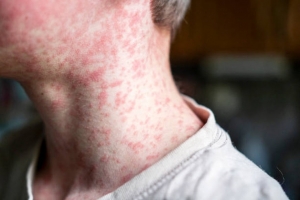
Health officials have confirmed a further rise in measles infections in north London, with new cases reported in both Enfield and Haringey. Data published by the UK Health Security Agency (UKHSA) shows 16 additional cases were recorded in Enfield over the past week, while neighbouring Haringey saw 10 more.
The latest figures take London’s total to 88 measles cases since the start of the year. Most infections have been identified in children under the age of 10. Earlier this week, parents in affected areas were warned that pupils who are not fully vaccinated could be kept off school if they have been exposed to someone with the virus.
Vaccination rates in the capital remain well below the national average. Across England, measles vaccine coverage in 2024 to 2025 stood at 83.7%, but London’s rate was 69.6%. In Enfield, only 64.3% of children were vaccinated. A GP involved with the NHS London Vaccination Programme said online misinformation and a sense of complacency were both discouraging uptake, despite measles carrying the risk of serious complications.
Local authorities say they are stepping up efforts to contain the outbreak, including outreach in communities and places of worship. Haringey Council said it is working with the NHS, UKHSA and neighbouring councils to limit transmission and encourage residents to attend catch-up clinics. The rise comes as the government launches a broader push to improve vaccination rates, after the UK lost its measles elimination status following a sharp increase in cases in recent years.
Stanford Team Tests ‘One-Spray’ Shield Against Winter Bugs

US scientists say they have developed an experimental nasal spray that could offer broad protection against a wide range of respiratory illnesses – including coughs, colds, flu and even some bacterial lung infections. The early-stage work, led by Stanford University, has so far only been tested in animals, with human trials still needed.
Unlike traditional vaccines, which train the body to recognise one specific virus or bacterium, this approach works in a completely different way. Rather than targeting a single pathogen, the spray appears to keep key immune cells in the lungs on standby, ready to react quickly to whatever tries to enter.
In animal experiments, the researchers found the effect lasted for roughly three months. During that time, viruses were reduced by between 100 and 1,000 times in the lungs. The team also reported protection against two bacterial species, including Staphylococcus aureus and Acinetobacter baumannii. They even saw signs the immune response to house dust mite allergens was dampened, which could be relevant for allergic asthma.
Experts have described the findings as promising but warned there are major unknowns. It is unclear whether the same results will translate to people, how long any protection might last, and whether keeping the immune system “on alert” could trigger unwanted inflammation. The researchers believe the spray could complement existing vaccines, particularly during winter or the early stages of a new pandemic.
AI Health Warnings Raised

Relying on artificial intelligence chatbots for medical guidance could put patients at risk, according to new academic research. The study suggests that while such systems can generate convincing answers, they frequently deliver advice that is inaccurate, inconsistent or potentially unsafe when applied to real-life health concerns.
The investigation was carried out by experts from the Oxford Internet Institute and the University of Oxford’s Nuffield Department of Primary Care Health Sciences. Writing in the journal Nature Medicine, the researchers examined how people used large language model (LLM) tools when presented with a range of medical scenarios. Nearly 1,300 participants were asked to identify possible conditions and decide on an appropriate course of action. Some consulted AI chatbots, while others relied on more traditional routes, including speaking to a GP.
The findings revealed that chatbot responses often blended correct and incorrect information, leaving users unable to reliably tell the difference. Although these systems perform strongly in formal medical knowledge tests, the researchers warned that real-world use is far more complex. In particular, the tools sometimes failed to recognise when symptoms required urgent attention.
Dr Rebecca Payne, a GP and co-author of the study, said the technology was not yet capable of replacing a trained clinician. Lead author Andrew Bean added that human interaction remains a significant hurdle for advanced AI systems, and called for further work to ensure they are safe and genuinely helpful in healthcare settings.
UK Issues Cape Verde Travel Warning

The UK Health Security Agency (UKHSA) has urged holidaymakers to take extra care when travelling to Cape Verde after a rise in gastrointestinal infections linked to visits to the islands. The alert comes ahead of the February half-term, when more Britons are expected to head to the popular winter sun destination.
Since 1 October, UKHSA has recorded 118 cases of shigella and 43 cases of salmonella associated with travel to the West African archipelago. While most people recover within a week, four British nationals have died in the months after becoming unwell following trips to Cape Verde. Shigella and salmonella can cause diarrhoea, fever and stomach cramps, with higher risks for young children, older people, pregnant women and those with weakened immune systems.
Both infections are spread through contact with contaminated faeces, either directly or via food, water or surfaces. UKHSA advises travellers to eat freshly cooked food served hot, drink bottled or boiled water, avoid ice, use safe water when brushing teeth, peel fruit themselves and steer clear of salads washed in uncertain water. Officials also stressed the importance of regular handwashing.
Most shigella cases involved visitors to Santa Maria on Sal and Boa Vista. Cape Verde’s government said there is no declared outbreak and no formal notification from the UK. Experts noted buffet catering can increase transmission. Tui is facing legal claims from families of six Britons who died after visiting since January 2023, and says it is investigating.
Government Sets Out Drive to Boost Cancer Survival Rates in England
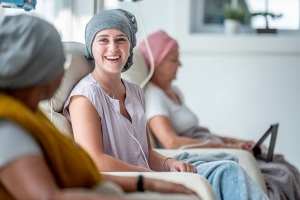
The government has unveiled a long-term cancer plan for England aimed at ensuring 75% of patients live for at least five years after diagnosis by 2035. Ministers say the strategy, which focuses on faster diagnosis and treatment, could deliver the strongest improvement in cancer outcomes seen this century. Current figures show five-year survival stands at around 60%, trailing behind several comparable countries.
Central to the plan is a commitment to meet the NHS target for starting treatment within 62 days of referral by 2029, a standard not achieved for more than a decade. The strategy also promises millions more tests and scans, expanded use of robotic surgery, and greater access to specialist centres for rare and complex cancers. Genetic testing will be widened so more patients can receive targeted therapies.
Early diagnosis is described as critical, with efforts to improve screening and identify cancers at earlier stages. Measures include lowering thresholds for bowel cancer checks and expanding targeted lung cancer screening for people with a history of smoking. Every patient would also be offered personalised support plans and a named care lead to help coordinate care beyond treatment.
While the proposals have been broadly welcomed, experts have warned that staffing shortages could undermine progress. Professional bodies point to significant gaps in radiology and oncology roles, arguing that sustained investment in the specialist workforce is essential. Cancer charities say the ambition is encouraging but stress that prevention, workforce capacity and regional inequalities must be tackled to deliver lasting change.
Government Plans 10,000 New Foster Placements Amid Carer Shortage

The government has announced plans to create 10,000 additional foster care placements in England by relaxing fostering rules and reducing bureaucracy. Ministers say the changes are needed to address a critical shortage of foster carers, which has led to more vulnerable children being placed in residential children’s homes rather than family settings.
Under the proposals, it will become easier for people who work full time to foster, and outdated eligibility criteria used by some councils will be reviewed. Clearer guidance is also expected to encourage people from a wider range of backgrounds, including those from ethnic minority communities, to come forward. An additional £88m has been pledged to support reforms to the fostering system.
Official figures show the number of foster carers in England fell by 12% between 2021 and March 2025, with 1,140 fewer foster placements available over the past year alone. During the same period, the number of children placed in residential care rose by 9%. Spending on children’s homes has almost doubled in five years, reaching £3.1bn in 2023–24, according to the National Audit Office.
Children and families minister Josh MacAlister said reversing the decline in foster placements was an “urgent priority”. Although around 150,000 people expressed interest in fostering last year, just over 7,000 were approved. The government believes modernising the system could significantly increase capacity before the end of the current parliament.