

Children Face Lengthy Delays for NHS Community Care

Large numbers of children in England are waiting more than a year for NHS community health support, including speech and language therapy, hearing services and disability care, new analysis shows. Of the roughly 300,000 young people currently on waiting lists, around one in four have been waiting longer than 12 months, prompting warnings from clinicians that the delays are seriously damaging children’s development.
Doctors and NHS leaders say access to community services has deteriorated sharply in recent years. Since early 2023, the number of children waiting over a year has increased six-fold to more than 77,000. Long waits of this length are rare for adults, highlighting a growing gap in how services are accessed. Professionals argue that early intervention is vital for children and that delays can have lifelong consequences.
One parent, London-based Tiya Currie, described feeling “lost and overwhelmed” as she struggled to secure help for her son’s speech difficulties. After two years without NHS support, her family spent thousands of pounds on private assessments and therapy, which led to a diagnosis of developmental language disorder. While treatment has helped, she believes many families are left behind because they cannot afford to pay.
The government says the situation is unacceptable and has promised improvements through its 10-year NHS plan. Ministers say increased funding, more staff and a new target to see community patients within 18 weeks should improve access. However, health leaders warn that without urgent investment, children will continue to miss crucial opportunities for timely care.
US Cuts Ties With World Health Organization
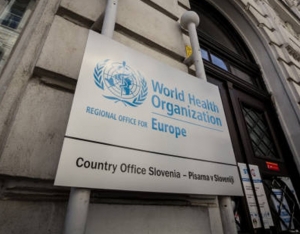
The United States has formally ended its membership of the World Health Organization, removing one of the UN agency’s largest sources of funding. The decision follows an executive order signed by President Donald Trump a year ago, in which he accused the WHO of favouring China during the Covid-19 crisis and failing to carry out meaningful reform.
Washington said the move was driven by what it described as poor handling of the pandemic, excessive political influence within the organisation and resistance to change. All US government funding has now been stopped, staff have been withdrawn from WHO offices worldwide, and cooperation across hundreds of programmes has been halted. The US has also refused to pay outstanding membership fees, estimated at around $260m.
The WHO strongly disputes the accusations. Director general Dr Tedros Adhanom Ghebreyesus said the withdrawal harms both the US and global public health, highlighting the organisation’s work on polio eradication, HIV and Aids treatment, maternal health and tobacco control. He also pointed to the recently agreed international pandemic treaty, designed to improve preparedness and fair access to vaccines, which the US declined to join.
US officials say future health cooperation will take place through bilateral agreements, NGOs and faith-based groups, although details remain unclear. Public health experts warn the move could weaken global disease surveillance and preparedness. The issue will be discussed at the WHO’s executive board meeting in early February.
New NHS Training Drive to Identify Eating Disorders Earlier

NHS England is rolling out new training for teachers, school nurses and GPs to help them recognise the early warning signs of eating disorders in children and young people. The move aims to ensure concerns are picked up sooner, reducing the risk of young people struggling without support and improving access to specialist care.
The initiative follows a sharp rise in demand for services, with the number of under-18s receiving treatment increasing by almost 40% since before the pandemic. Alongside the training programme, updated national guidance has been published which moves away from relying on body mass index (BMI) alone when deciding whether treatment is needed. Clinicians are instead encouraged to take a broader view, considering behavioural changes, physical health and family worries.
Online learning resources, developed with support from the charity Beat and the Royal College of Psychiatrists, will help professionals working in education and primary care understand how to spot symptoms and refer children for NHS support. Every area of England now has access to a specialist eating disorder service for young people, with most patients beginning treatment within weeks of referral as a result of expanded community-based care.
Health leaders say earlier intervention can prevent conditions such as anorexia, bulimia and binge eating disorder from becoming more severe. Beat and the Royal College of Psychiatrists have welcomed the changes, calling for rapid implementation, sufficient staffing and sustained funding. They say the guidance offers a clear framework to improve consistency, tackle inequalities and ensure families receive the right help at the right time.
A&E Delays Leave Thousands Waiting Hours for Care

Around one in every ten patients attending large accident and emergency departments in England last year spent more than 12 hours waiting for treatment or a hospital bed, according to new analysis. In 2025, about 1.75 million people experienced these lengthy delays, showing only a small improvement compared with the previous year.
Nursing leaders have warned that prolonged waits are fuelling the continued use of “corridor care”, where patients are treated in unsuitable spaces such as hallways or side rooms. The Royal College of Nursing has shared accounts from staff describing conditions they say are unsafe and degrading, with some nurses reporting deep distress at being unable to provide dignified care.
Health Secretary Wes Streeting said the situation was unacceptable and acknowledged that hospitals were failing to meet expected standards. While he said some areas, including ambulance response times and elective waiting lists, are beginning to improve, he admitted corridor care remains widespread. He has pledged to end the practice before the next general election and plans to publish more detailed data on its use.
Hospital pressures have been particularly visible this winter, with several trusts declaring critical incidents. Patients have been left waiting overnight for beds, especially older people requiring urgent care. Although the overall waiting list for planned treatments has fallen to its lowest level in nearly two years, doctors warn overcrowded hospitals continue to place patients at risk. Clinicians and campaigners say meaningful reform is urgently needed to prevent long waits from becoming an accepted part of emergency care.
First NHS Patient Hails ‘Living Drug’ Leukaemia Treatment as Breakthrough

A 28-year-old man has become the first NHS patient to receive a newly approved “living drug” for an aggressive form of leukaemia, describing the experience as both extraordinary and hopeful. Oscar Murphy, from Bury, was treated at Manchester Royal Infirmary with CAR-T therapy, a cutting-edge immunotherapy that uses a patient’s own genetically altered immune cells to fight cancer.
Oscar was diagnosed with B-cell acute lymphoblastic leukaemia in March 2025. After undergoing chemotherapy and a donor stem cell transplant, he was told later that year that the disease had returned. Given the fast-moving nature of his cancer, doctors recommended CAR-T therapy, which NHS England has now agreed to fund at specialist centres across England for eligible adults.
The treatment involves removing T-cells from the patient’s blood and modifying them in a laboratory so they can recognise and destroy cancer cells. Millions of these enhanced cells are then infused back into the body, where they continue working long after treatment ends. Clinical trials have shown promising results, with more than three-quarters of patients entering remission and some remaining cancer-free for several years.
Oscar’s consultant said the therapy could significantly extend life and may even offer a cure for some patients. Now newly married, Oscar says the treatment gives him hope for a future that includes family life and a return to normality, calling it his “chance to get life back on track.”
Visa Applications Drop After Migration Rules Tightened

Applications to come to the UK on skilled worker and health and care visas fell steeply in 2025, according to newly released Home Office figures, following tougher immigration controls. The number of people applying for the health and care worker route dropped to around 61,000, a fall of just over 50% compared with the previous year. Skilled worker visa applications also declined sharply, down more than a third to 85,500.
The reduction follows changes introduced by the Labour government in summer 2025, including an end to overseas recruitment for care workers and an increase in the minimum salary threshold for skilled workers to £41,700. These measures built on restrictions brought in earlier by the former Conservative government, such as limiting dependants for care workers and raising salary requirements for work and family visas.
Other visa routes have also seen sustained declines. Applications for study visas remained well below their 2023 peak, while family visa applications fell by 12% year on year. Overall, total visa applications across all categories fell to 737,100 in 2025, continuing a downward trend from previous years and suggesting further reductions in net migration.
Government ministers say the figures show progress in reducing migration levels. Net migration is estimated to have fallen to just over 200,000 in the year to June 2025, a dramatic decrease compared with earlier highs. Further reforms are planned, including longer waiting periods for settlement and stricter criteria for indefinite leave to remain, though legislation has yet to be brought forward.
NHS to Launch Digital Hospital Service via App

A new NHS digital hospital service is set to begin rolling out in England next year, with a full launch planned for 2027 through the NHS App. The initiative will initially concentrate on nine health areas, including menopause, prostate conditions and several eye-related disorders. Patients will be offered online specialist assessments, follow-ups and monitoring, supported by a dedicated national team of clinicians rather than a physical hospital site.
The conditions chosen for the first phase include glaucoma, cataracts, retinal diseases such as age-related macular degeneration, inflammatory bowel disease, iron deficiency anaemia, prostate enlargement, raised PSA levels, menopause, and menstrual symptoms that may indicate endometriosis. NHS England has said the list will expand over time. Importantly, patients will not be required to use the service and can still opt for traditional in-person appointments.
Under the model, GPs will be able to refer patients to the online service, where consultations take place remotely. Any tests, scans or procedures will still be carried out locally, with specialists reviewing results digitally. The government hopes the scheme will deliver up to 8.5 million appointments in its first three years and help reduce waiting lists by easing pressure on hospital clinics.
While similar virtual schemes have shown success in areas such as eye care and inflammatory bowel disease, experts have raised concerns about staffing, funding and IT systems. Think tanks have welcomed the focus on women’s health but warned that sharing patient data smoothly across NHS organisations remains a major challenge.
Cold Snap Set To Increase Pressure On NHS Despite Drop In Flu Admissions

Hospital admissions for flu in England have eased in recent days, offering some relief to the NHS at what is traditionally its most demanding time of year. Figures from NHS England show 2,676 patients were in hospital with flu last week, a drop from just over 3,000 the previous week. Health leaders said the decline was encouraging as January often brings the highest levels of winter pressure.
However, the improvement could be short-lived. The UK Health Security Agency has issued amber cold weather health alerts across England, warning that freezing temperatures are likely to place fresh strain on health and care services. The alerts, in place from Friday evening until the morning of 9 January, highlight risks such as rising demand, difficulties maintaining safe indoor temperatures and potential staff shortages caused by travel disruption.
NHS England’s medical director, Professor Meghana Pandit, said the fall in flu admissions was partly due to strong vaccination uptake, with more than half a million additional flu jabs delivered compared with the same point last year. She stressed, though, that services remain under significant pressure, noting that NHS 111 experienced its second busiest day in two years over the weekend.
Health Secretary Wes Streeting echoed the cautious tone, saying there were some positive signs compared with last winter, including fewer ambulance delays. But he urged people to get vaccinated if eligible and to use emergency services responsibly, as cold conditions could still lead to a resurgence in flu cases in the weeks ahead.